10 – 12 November 2026
|
Dubai World Trade Centre Sheikh Saeed Halls 1, 2 & 3
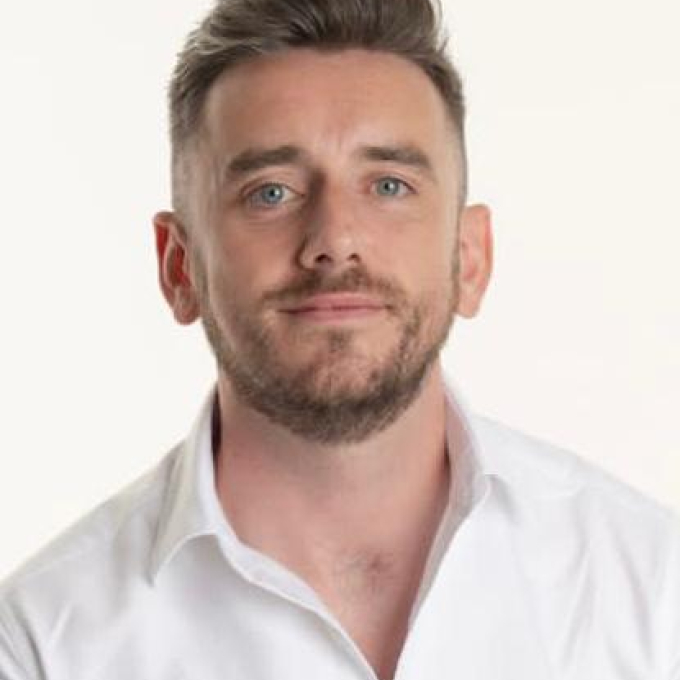
Elfyn Wyn Jones
Co-Founder - Dupoto / Leadership & Character Mapping Expert
I’m the Co-Founder of Dupoto, a global initiative that helps learners, educators, and leaders build a shared language for communication, focusing on.future skills, and character development.
With a background spanning leadership, innovation, and education across the UK, UAE, and India, I’ve worked with international school groups, creative networks, and community projects to reimagine how people connect learning with purpose. My journey began in design and technology education, but evolved into something bigger, helping people see themselves as explorers of their own path, both personally and professionally.
Through Dupoto’s Relevance framework, I help communities visualise ideas that often stay hidden, purpose, empathy, collaboration, and growth. This work has been used in schools, universities, and corporate settings to strengthen communication, close the gap between technical knowledge and human understanding, and align teams around shared values.
I believe that in a fast-changing world, our greatest tool is language, not just what we say, but how we listen, reflect, and connect. Dupoto gives people a way to do just that.
Speaker Sessions
Sustainability & Wellbeing
1610
-
The Hidden Potential of Waste
Session Summary:
What if everything we call “waste” is really just a key that unlocks hidden potential we have not learned to read yet? In this session, Nick Glover and Elfyn Wyn Jones share how ethical redistribution and territory mapping can turn surplus items, unused spaces, and overlooked skills into engines of learning and social impact.
Drawing on real projects in schools and communities, they will show how simple visual tools help learners see the stories behind discarded objects, connect need with surplus, and design practical, values-driven solutions. Along the way, they explore how language, purpose, and shared responsibility can remove the “interference” that holds people back, and invite students to see themselves as makers of change rather than passive recipients of help.
Participants will leave with fresh ways to use waste as a starting point for curriculum, character education, and community partnership, and with questions that inspire learners to ask: if this is what we throw away, what else are we overlooking in ourselves and each other?